Baby Dream Font Review
When it comes to adding a touch of warmth and playfulness to your design projects, the Baby Dream font stands out as a unique and charming option. This handwritten-style Display font is ideal for baby-related themes, but its versatility extends far beyond that. Whether you're working on branding, social media content, or wedding invitations, Baby Dream offers a soft, rounded aesthetic that feels both friendly and professional. If you're looking for a "Baby Dream free download" or a "Baby Dream font download," you'll find that this font is accessible and easy to use across various platforms.
Design & Style Analysis
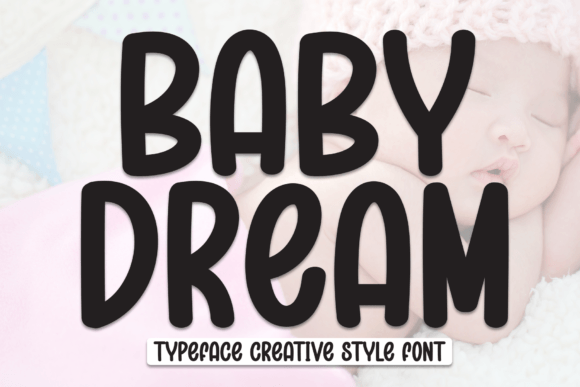
The visual personality of Baby Dream is immediately inviting. Its rounded letterforms and gentle strokes give it a hand-drawn, marker-like feel that evokes a sense of warmth and approachability. The font's weight is light enough to maintain readability while still retaining a playful character. Its spacing is well-balanced, making it suitable for both short headlines and longer text blocks.
Letterforms
Each letter in Baby Dream is crafted with care, featuring smooth curves and subtle variations that mimic natural handwriting. The lowercase letters are particularly expressive, with tails and flourishes that add a personal touch. This makes the font ideal for projects where a humanized, organic look is desired.
Weight
Baby Dream is available in a single weight, which is perfect for maintaining consistency across different design elements. While it may not offer multiple weights like some other Display fonts, its simplicity allows for clean and cohesive layouts without the need for complex typography hierarchies.
Spacing
The spacing in Baby Dream is carefully designed to ensure legibility at various sizes. It works well in both large headings and smaller text, making it a reliable choice for a range of applications. Compared to other Display fonts, Baby Dream strikes a balance between artistic flair and practicality, ensuring that it doesn't compromise on readability.
Best Uses for Baby Dream
Baby Dream is a versatile font that can be used in a variety of contexts. From logos to packaging, this font brings a sense of charm and creativity to any project. Here are some of the best uses for Baby Dream:
Baby Dream for Logo Design
For logo designers looking for a soft, approachable typeface, Baby Dream is an excellent choice. Its rounded shapes and playful style make it ideal for brands targeting a youthful or family-oriented audience. When paired with a strong, modern sans-serif, it can create a balanced and memorable brand identity.
Baby Dream for Branding
In branding, consistency is key. Baby Dream offers a unique visual identity that can help differentiate a brand from competitors. Whether you're designing a website header or a product label, this font adds a personal and creative touch that resonates with audiences.
Baby Dream for Wedding Invitations
Wedding invitations often require a mix of elegance and emotion. Baby Dream provides the perfect blend of both. Its warm, handwritten style adds a personal and heartfelt touch, making it ideal for creating custom invitations that stand out.
Font Pairing & Combinations
Pairing Baby Dream with other fonts can enhance its visual impact and expand its usability. A popular combination is pairing it with a serif font for contrast, or with a clean sans-serif for a more modern look. For example, using Baby Dream alongside a classic serif like Georgia can create a beautiful balance between playfulness and sophistication.
Another effective pairing is with a bold, geometric sans-serif. This combination can add structure and clarity to designs that might otherwise feel too casual. What fonts pair well with Baby Dream? Consider experimenting with different styles to find the perfect match for your project.
Baby Dream font pairing is also beneficial when working on multi-page documents or presentations. By combining it with a more neutral typeface, you can maintain visual interest while ensuring readability and professionalism.
Licensing & Commercial Use
If you're considering using Baby Dream for commercial purposes, it's important to understand the licensing terms. Many fonts come with restrictions on how they can be used, especially in professional settings. Fortunately, Baby Dream offers a clear and straightforward license that allows for both personal and commercial use, depending on the version you choose.
When it comes to "Baby Dream commercial use," always check the specific terms provided by the font's creator. Some versions may require a purchase or a license for broader usage. Understanding the "Baby Dream font license" ensures that you can use the font confidently in your projects without legal concerns.
For those looking for a "premium Display font," Baby Dream is a great option that offers both quality and flexibility. Whether you're working on a small project or a large-scale campaign, this font can adapt to your needs.
How to Download & Use Baby Dream
Getting started with Baby Dream is simple. You can find a "Baby Dream free download" on several platforms, including CreativeFabrica, Google Fonts, DaFont, and FontSquirrel. These sites often provide high-quality versions of the font that are ready to use in your design software.
Once downloaded, using Baby Dream in Canva, Word, or Photoshop is straightforward. Most programs allow you to install the font directly, making it easy to incorporate into your work. For users who prefer a more streamlined process, many online tools offer direct integration with Baby Dream, allowing you to apply the font instantly without additional steps.
If you're looking for a "font bundle" or "font pack," Baby Dream may be included in larger collections that offer a wide range of styles. This can be a cost-effective way to access multiple fonts, including Baby Dream, for a variety of design needs.
Designer Notes & Tips
As a designer, it's essential to test Baby Dream in different contexts to see how it performs. One tip is to review the font in black and white to ensure that it maintains its visual appeal without color. Additionally, checking how it looks at smaller sizes can help determine its suitability for body text or captions.
When comparing Baby Dream vs similar fonts, consider factors like weight, spacing, and overall style. While Baby Dream has a distinct handwritten feel, other Display fonts may offer different characteristics that could better suit certain projects. Experimenting with different options can help you find the perfect fit for your design goals.