Blooming Flower Font
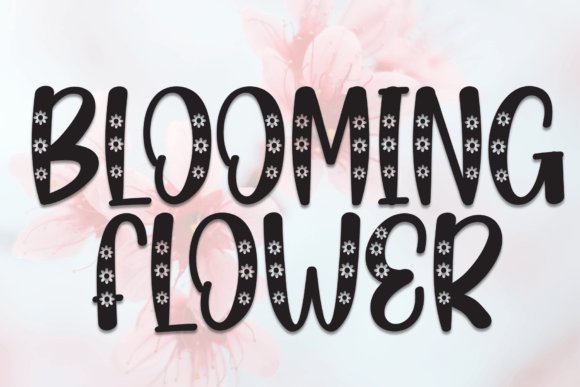
Blooming Flower is a bold handwritten display font that brings the essence of nature into digital design. Its flowing, playful style makes it ideal for web projects that require a fresh, inviting tone. As a designer, you’ll find that Blooming Flower adds a unique personality to your layouts without sacrificing clarity or visual impact.
Blooming Flower for Creative Portfolio Sites and Brand Identity
Blooming Flower is a powerful tool for web designers looking to create visually engaging portfolios or brand identities. Its organic curves and dynamic strokes work well in headers, logos, and section titles. When used in a creative portfolio, this font can instantly communicate a sense of artistry and approachability. Pairing it with a clean sans serif font like Lato or Open Sans helps balance its decorative elements while maintaining readability across different screen sizes.
For brand identity, Blooming Flower can be used in logo design, social media graphics, and website banners. Its natural aesthetic aligns well with eco-friendly brands, boutique stores, or lifestyle-focused businesses. The font’s versatility allows it to stand out in both dark and light backgrounds, making it a strong choice for responsive web design.
Blooming Flower for Online Store Banners and Call-to-Action Buttons
When designing an online store, Blooming Flower can elevate banner sections and call-to-action buttons. Its bold, flowing style draws attention without overwhelming the user. In e-commerce contexts, this font works best for short phrases such as “Limited Edition,” “New Arrivals,” or “Shop Now.”
On mobile screens, Blooming Flower maintains legibility even at smaller sizes, which is crucial for CTA buttons. However, it’s important to ensure sufficient contrast against background colors. For example, using a dark version of the font on a light background or a light version on a dark background improves visibility. This font also pairs well with iconography, creating a cohesive visual language for product pages and landing sections.
Blooming Flower for Blog Headers and Content Sections
Blooming Flower is an excellent choice for blog headers and content sections that aim to capture a warm, inviting tone. Its handwritten feel can make written content feel more personal and engaging. For instance, using it in article titles or subheadings can help break up dense text and guide readers through the page.
However, it’s best to use Blooming Flower sparingly in body text. While its artistic style adds character, it may not be suitable for long paragraphs. Instead, pair it with a simple serif or sans serif font for the main content. This combination ensures that the design remains professional while still reflecting a creative brand voice.
Blooming Flower for Coaching Websites and Course Sales Pages
Coaching websites and course sales pages often benefit from fonts that convey trust, inspiration, and warmth. Blooming Flower fits this need perfectly, especially when used in hero sections or headline copy. Its playful yet elegant style can reinforce a brand’s message of growth, creativity, or wellness.
In sales pages, Blooming Flower can be used for headlines that highlight key benefits or unique selling points. It works particularly well when paired with a minimalist layout, allowing the font to take center stage. For example, a headline like “Transform Your Mindset” or “Start Today” can be made more compelling with this font, encouraging users to engage with the content.
Blooming Flower for Social Media Graphics and Digital Ads
Blooming Flower is a standout choice for social media graphics and digital ads that require a friendly, eye-catching aesthetic. Whether it’s for Instagram posts, Facebook banners, or Google Ads, this font adds a touch of authenticity and charm. Its flowing lines make it ideal for promotional phrases such as “Join the Journey,” “Discover More,” or “Get Started.”
When used in digital ads, Blooming Flower should be kept simple and uncluttered. Avoid overloading the design with too many elements, as this can distract from the message. Instead, focus on clear typography and strategic placement. The font also works well with image overlays, where it can add a subtle but effective visual layer to the overall composition.
Blooming Flower for Logo Design and Brand Assets
Logos and brand assets often require a font that reflects a company’s identity and values. Blooming Flower offers a unique option for brands that want to express creativity, nature, or a human-centered approach. Its handwritten style gives a sense of authenticity, making it ideal for small businesses, independent creators, or lifestyle brands.
When using Blooming Flower in logo design, consider the scalability of the font. Ensure that it remains legible at different sizes, especially for website icons, app interfaces, or printed materials. Additionally, check if the font includes alternate characters or ligatures that can enhance the design. These details can make a significant difference in how the brand is perceived across various platforms.
Blooming Flower for Web Design and Responsive Layouts
Blooming Flower is a versatile font that performs well in responsive web design. Its fluid structure adapts to different screen sizes, ensuring that the design remains consistent across devices. This is especially useful for headers, navigation menus, and section titles that need to maintain visual impact on both desktop and mobile views.
When integrating Blooming Flower into a website, consider the file size and webfont availability. If the font is available in WOFF or WOFF2 formats, it will load quickly and efficiently. Also, make sure to test the font on different browsers and operating systems to ensure compatibility. Proper implementation will help maintain the intended visual effect without compromising performance.
Blooming Flower for Commercial Use and Licensing
For web designers and digital creators, understanding font licensing is essential. Blooming Flower, as a premium font, likely comes with specific commercial use rights. Before using it in client projects, online stores, or digital templates, verify the licensing terms to avoid any legal issues.
Commercial font licenses typically allow for use on websites, marketing materials, and digital products, but restrictions may apply to resale or redistribution. Always review the license agreement carefully, and if needed, consult with the font provider for clarification. Ensuring compliance with these rules protects both the designer and the end user.